Agents that do the work, not agents that talk about it.
Most AI agents are demos. They look extraordinary in a recorded clip and fall apart the first time a real system returns something unexpected, because the hard part was never the model. It is the tools they are given, the memory they carry between steps, and the judgement about when to stop and ask a human.
We build the other kind. Tool-using systems with a defined job, real integrations into the systems you already run, a memory model that fits the task, and an evaluation suite written before the agent so there is a way to know whether it is working. MCP servers, function calling, multi-agent orchestration where the problem genuinely needs it and a single agent where it does not.
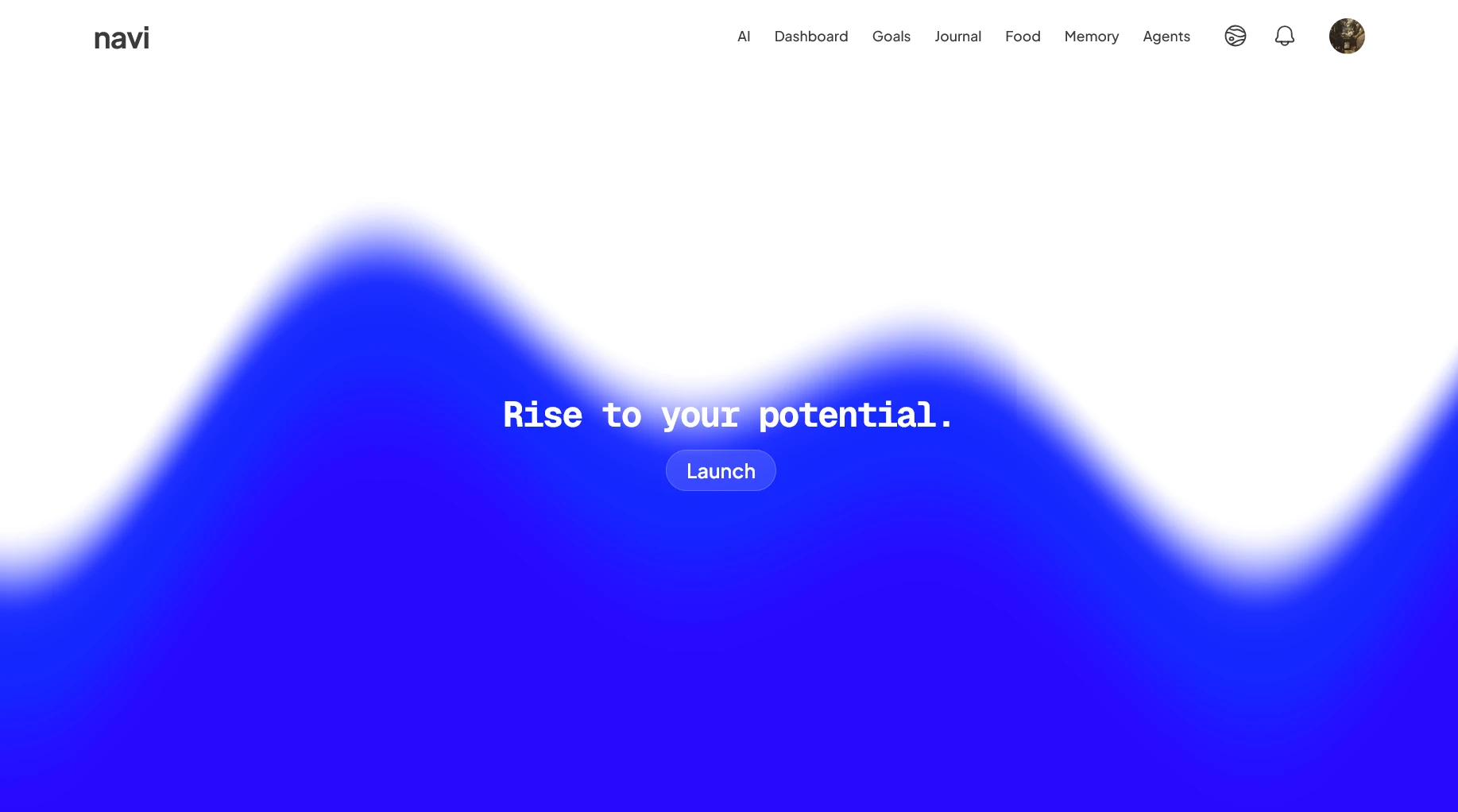
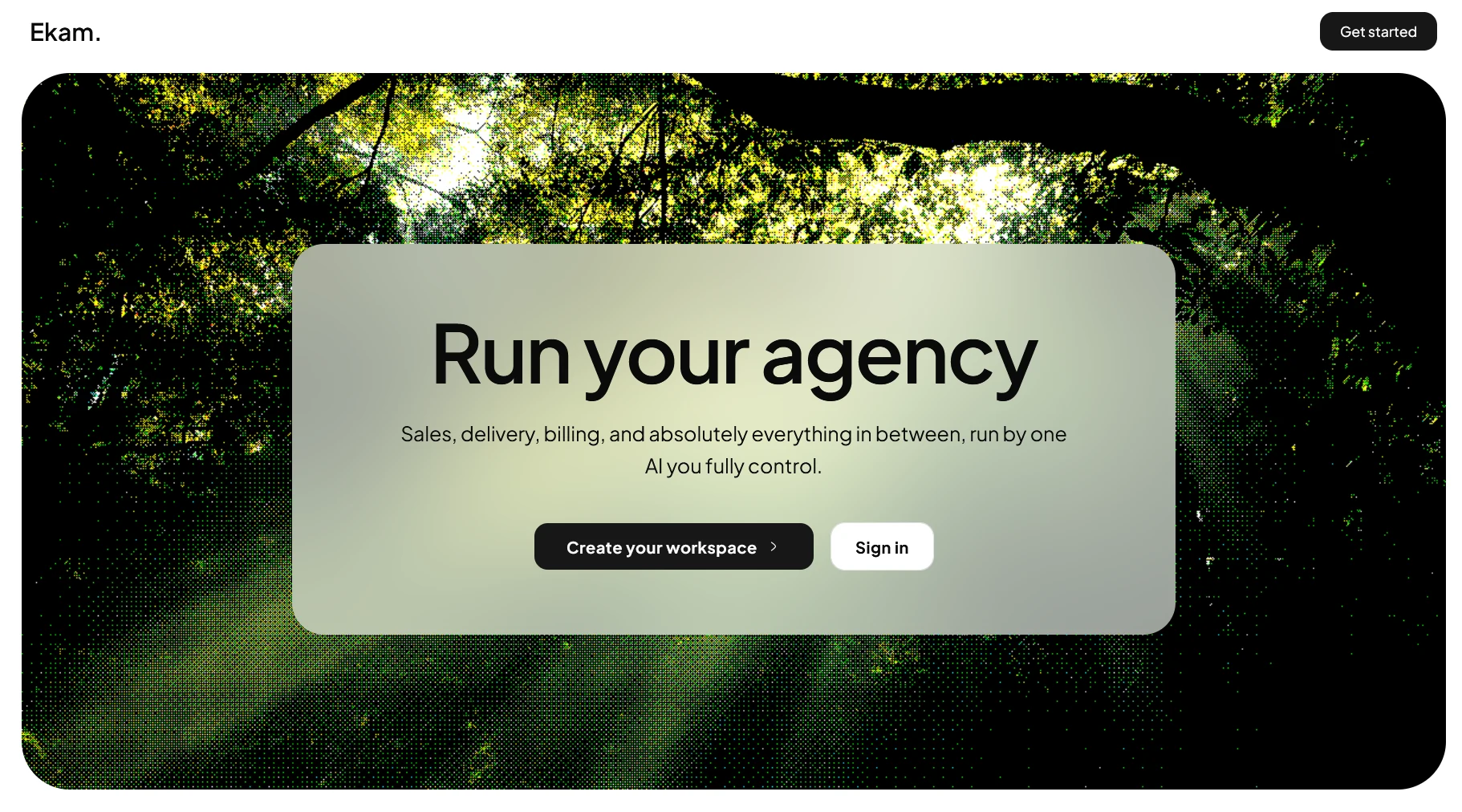
We build these for ourselves too, which is the part that matters. Navi is our own agentic operating system and Ekam runs an entire agency through natural language. Every bad decision in those we felt directly, before any client did.
What you get
Custom agent architecture (MCP, function calling, multi-agent), tool integration, memory and context, evals, deployment.
How it runs
- 01
Scope and evals
Name the task and the test in the same week. What the agent is for, what a correct result looks like, and how we will know. If correctness cannot be defined, the project stops here rather than three months in.
- 02
Tool design
Tools first, model second. The systems it can touch, the permissions it holds, what it may do unattended and what needs a human. This is where an agent becomes safe or does not.
- 03
Build
The agent itself: planning, memory, retries, escalation. Single agent where that is enough, orchestrated where the problem is genuinely several jobs. MCP where it should speak to tools you also want other things to use.
- 04
Evaluate
Run the eval set, look at where it fails, and fix the tools rather than the prompt wherever possible. Prompt patches are cheap and they do not hold.
- 05
Ship and watch
Deployed with tracing, cost tracking, and alerting on the failure modes we found. An unmonitored agent is a liability, so monitoring is part of the build and not an upsell.
This is for you if
- A repetitive cognitive task with a checkable result: research, triage, qualification, generation.
- An existing product that would be genuinely better with an agent inside it, rather than one that needs an AI badge.
- An internal ops load that has quietly grown into somebody's whole job.
This is not for you if
- You want an agent because the board asked for one. There is no task here, so there is nothing to evaluate.
- The task has no checkable output. If nobody can tell whether it was done right, neither can an agent.
- The work is deterministic. That is a script, it is cheaper, and it will not surprise you at three in the morning.
Work that proves it
Questions
- What is the difference between an AI agent and a chatbot?
- A chatbot answers. An agent acts. It plans a sequence, calls real tools against real systems, checks whether the result was what it wanted, and retries or escalates when it was not. The interesting engineering is almost never the model. It is the tools, the memory, and knowing when to stop.
- How is a custom agent priced?
- By scope, in three broad shapes: a single scoped agent, a multi-tool agent with real integrations, or a production platform with orchestration and monitoring. Model and infrastructure costs are yours and are estimated up front rather than discovered on a bill, because with agents they are a running cost and not a one-off.
- What kind of work can an agent actually take over?
- Research and triage, lead qualification, content pipelines, internal ops, and software operations. The pattern that works is cognitive work with a checkable output: something a competent person does repeatedly, where you can tell afterwards whether it was done right.
- How do you stop it doing the wrong thing?
- By building the evaluation before the agent. Every one ships with a test set, a scoring method, and monitoring in production, because an agent that is right most of the time and unmonitored is worse than no agent. If we cannot define what correct looks like for your task, we will say so rather than ship something that guesses.
- Can we use our own model or provider?
- Yes. Model choice is a decision, not a default, and it changes as the field does. We build against an interface rather than a vendor, so switching is a configuration change and not a rewrite.
A roadmap, not a pitch.
Skip the agency runaround. Thirty minutes with the people who would actually do the work. You leave with a clear next step, whether or not you hire us.