An identity is a system, not a logo.
Most identity work stops at a mark and a colour, and then falls apart six months later when somebody has to make a deck, a landing page, and an ad that all look like the same company. The mark was never the hard part. The system that survives being used by other people is.
We design the whole thing: name direction where you need one, the logo suite in every lockup and size it will actually appear at, a type and colour system with rules rather than swatches, and guidelines written for the person who has to apply them without asking.
Then we apply it, so it is proven rather than proposed. A brand that has only ever existed in a presentation has not been tested.
What you get
Logo suite (lockups, mark, mono, favicon), colour and type system, brand guidelines, core asset library, social and brand templates.
How it runs
- 01
Position
Who you are for, who you are against, and the one thing you want somebody to remember. Short, written, and agreed before anything is drawn.
- 02
Explore
Directions, not options. Two or three genuinely different territories, each shown as a real application rather than a mark on a white square, because that is the only way to judge one.
- 03
Build the system
The chosen direction built out: lockups, mark, monochrome, favicon, the type scale, and the colour system with the accessibility work already done.
- 04
Document
Guidelines somebody can follow without calling us, plus the templates that cover the things you will actually make: social, decks, documents, ads.
- 05
Apply
Applied to something real, usually the site. A system that has never met a live page is untested.
This is for you if
- A new venture that needs its first real identity rather than a placeholder.
- A business that has outgrown a logo made in a hurry and now contradicts itself across surfaces.
- A rebrand or a merger where two things have to become one and it has to be obvious why.
This is not for you if
- You need a logo by Friday for under a thousand dollars. That is a marketplace job and we will not do it better for the money.
- The identity has to be decided by committee vote. Averaged brands are invisible.
- You want a refresh but nothing about the positioning may change.
Work that proves it
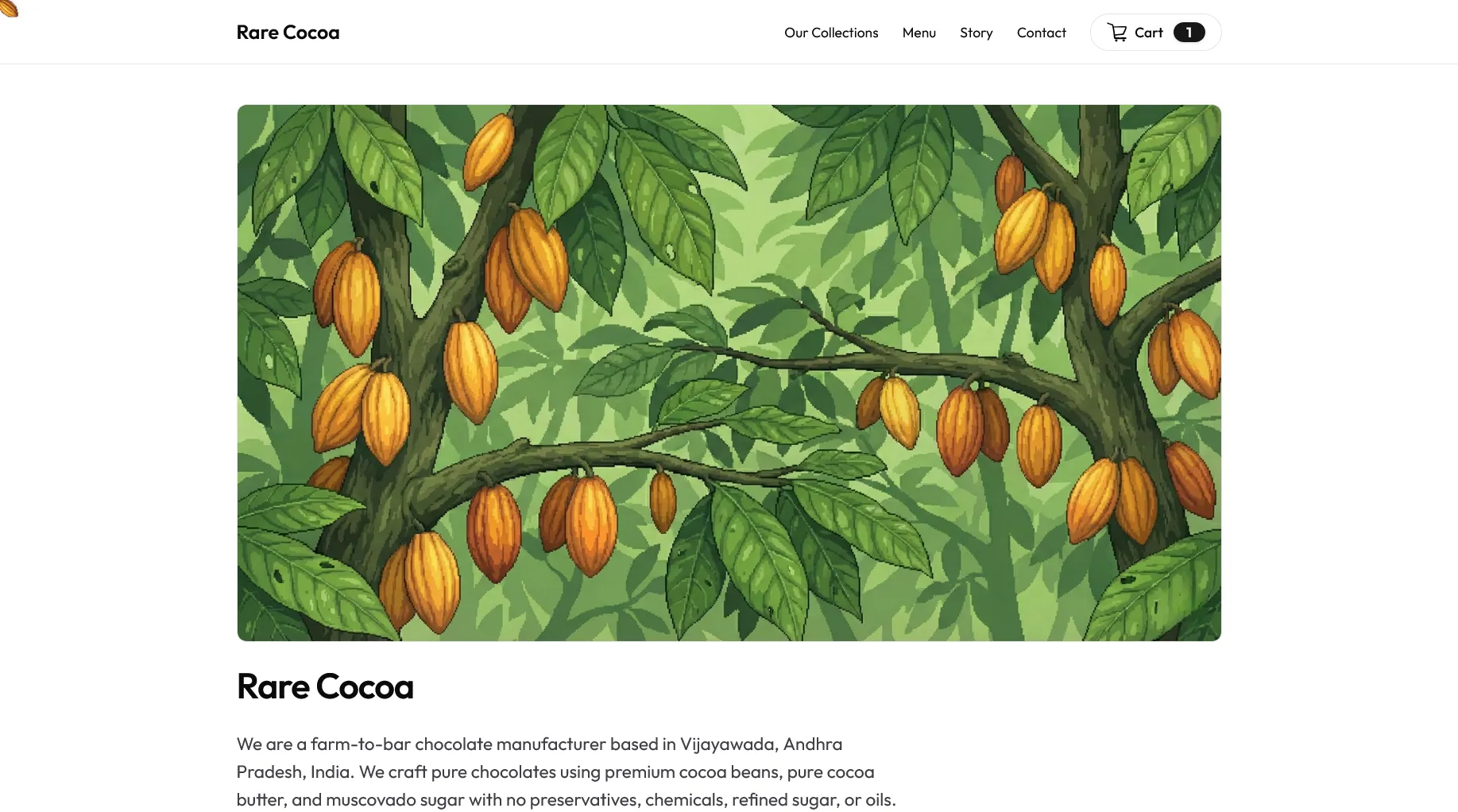
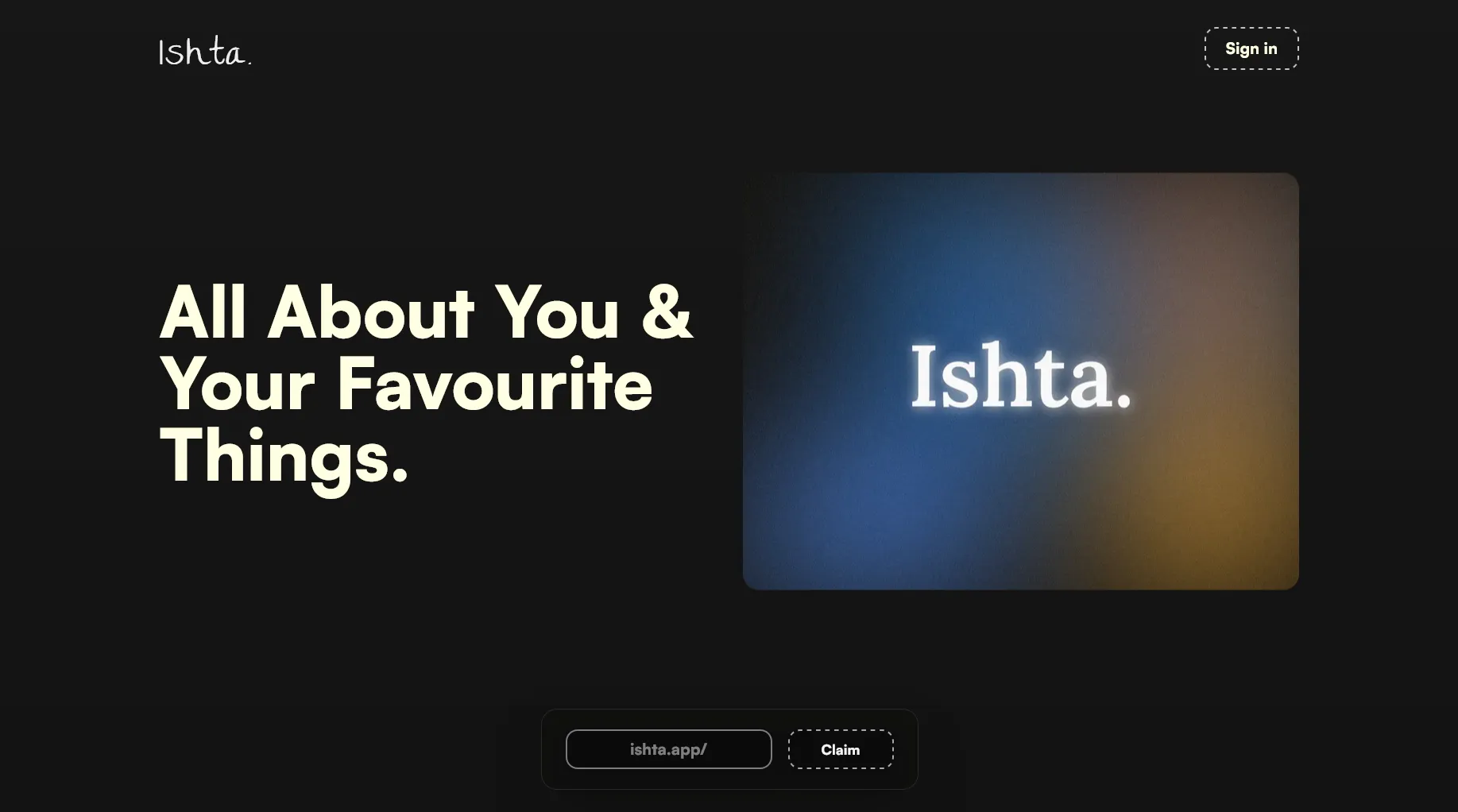
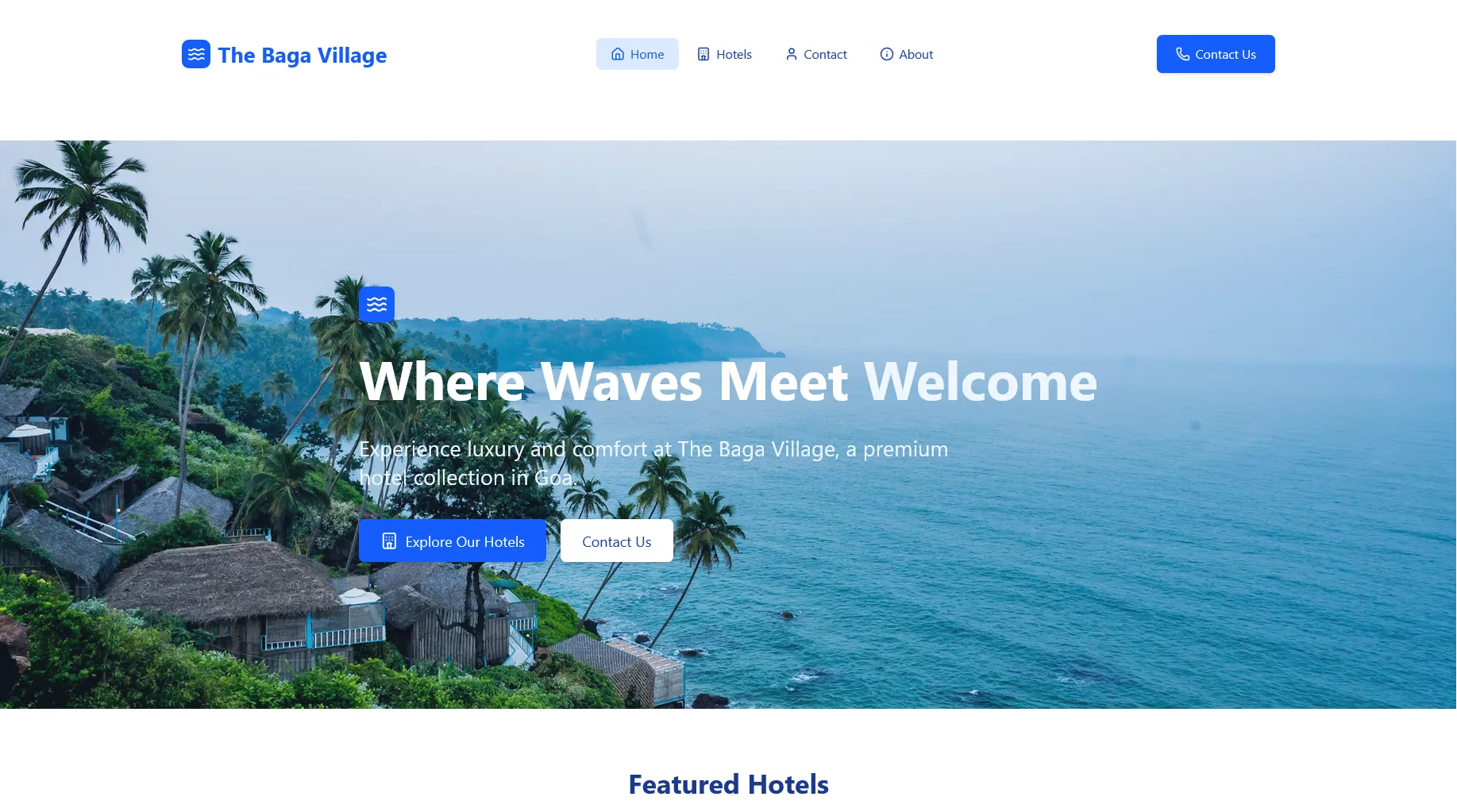

Questions
- What is the difference between a logo and a brand identity?
- A logo is one asset. An identity is the system that makes every future asset look like it belongs: the mark, the type, the colour, the layout rules, and the written guidance that keeps them consistent when we are not in the room.
- How is a brand identity priced?
- By how much of the system you need: a logo and core system, a full identity with guidelines and templates, or naming and a comprehensive brand book with launch assets. Fixed and agreed up front, including how many rounds are in it, because unbounded revision is how identity projects go wrong for everyone.
- Do you do naming as well?
- Yes, at the Premium tier. Name direction, generation, shortlisting, and the checks that matter before you fall in love with one: domain, trademark class, and how it behaves when someone says it out loud on a call.
- What files do we get?
- The full logo suite including lockups, mark, monochrome and favicon, the colour and type system, brand guidelines, a core asset library, and social and brand templates. Source files included, in your ownership.
- Can you apply it to our website too?
- Usually the same engagement. An identity that has never been applied to a real page is a theory, so we prefer to prove it on the site that has to carry it.
A roadmap, not a pitch.
Skip the agency runaround. Thirty minutes with the people who would actually do the work. You leave with a clear next step, whether or not you hire us.