We are the founding product team you have not hired yet.
Most early products die of the same thing: too many vendors and nobody in charge. A strategy consultant defines it, an agency designs it, a dev shop builds it, and the founder spends their week translating between three companies that have never met. Every handoff loses context, and the context is the product.
This is the alternative. One senior team owns the whole arc, from the first decision about what to build through to a launched product with users on it. Discovery, product strategy, design system, full-stack engineering, launch, iteration. The people who decide what goes in are the people who build it, so nothing gets lost explaining it.
What you get is working software, not a deck and an invoice. A fixed price agreed before anything starts, a repository and a domain in your name, and a product you can hand to your own engineers the day you hire them.
What you get
Discovery, product strategy, design system, MVP build, launch, iteration. You get working software, not a deck.
How it runs
- 01
Define
A week of removing decisions. What the product has to do to be worth using, who it is for, what is deliberately not in version one, and what launched actually means. You leave with a written brief and a scoped, priced proposal, not a discovery invoice.
- 02
Design
Flows, screens, and a design system that survives the build. Design leads here because it is cheaper to change a screen than a schema, and because a product that has been designed can be engineered quickly.
- 03
Build
Senior-owned, full-stack, with the AI woven in where it makes the product sharper rather than where it makes the pitch louder. Auth, payments, data, dashboards, the parts that are boring to build and expensive to get wrong.
- 04
Launch
QA, deployment, monitoring, documentation, and a landing page ready for traffic. Then the handover: a walkthrough with whoever owns it next, and a pipeline they can ship from on day one.
- 05
Iterate
The first weeks after launch are where the product is actually found. We stay for them: fixing what real usage exposes, and telling you honestly which of your assumptions did not survive contact with users.
This is for you if
- Pre-seed or seed, with a thesis and capital but no engineering team.
- An operator or domain expert who knows the problem better than any agency will and needs the product built around that knowledge.
- A repeat founder who wants senior owners rather than a managed pool of contractors.
This is not for you if
- You need a body to fill a seat on an existing team. That is staffing, and there are better options.
- You want the cheapest possible build. We are not it, and pretending otherwise wastes both our time.
- The scope has to stay open. Fixed price and open scope cannot both be true.
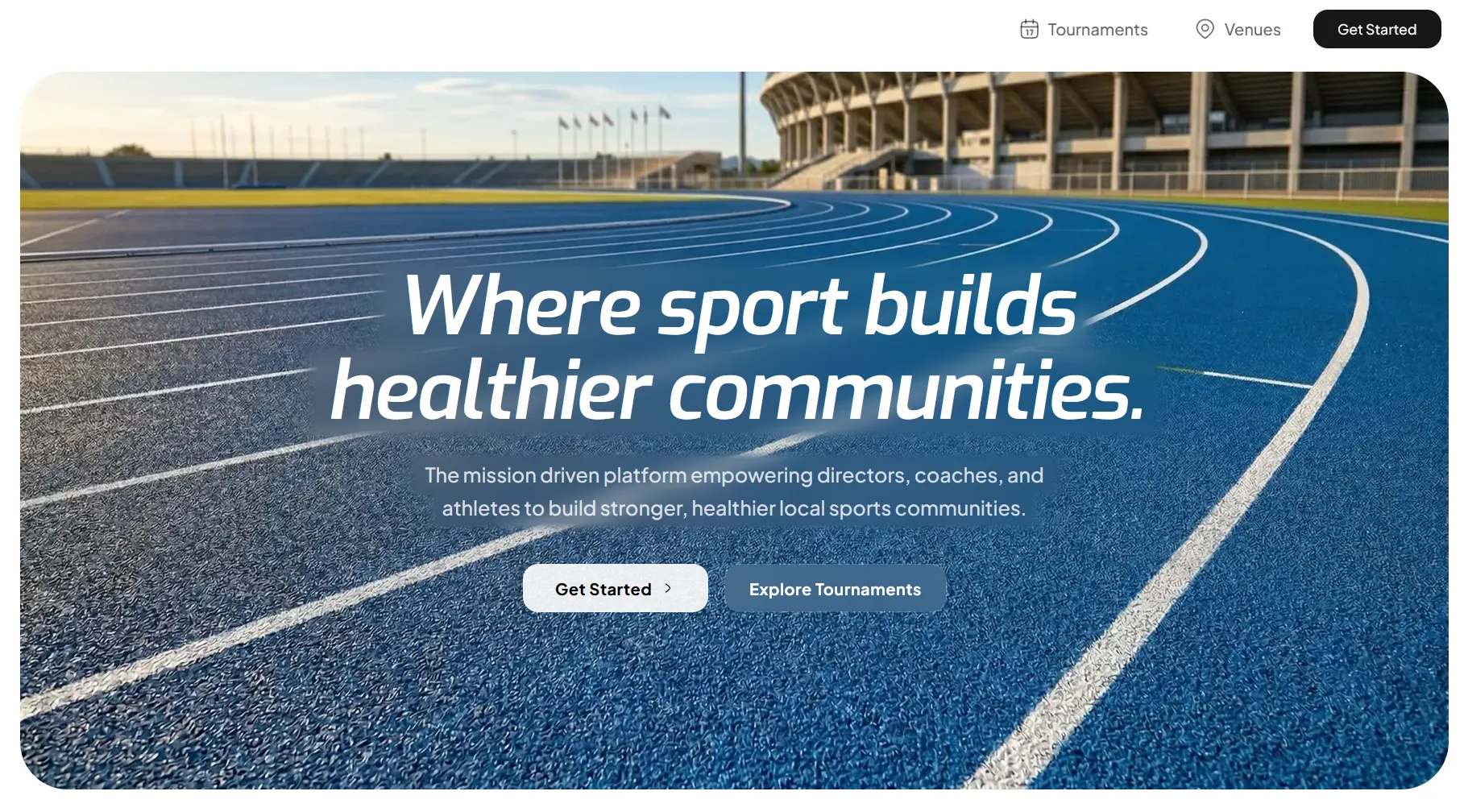
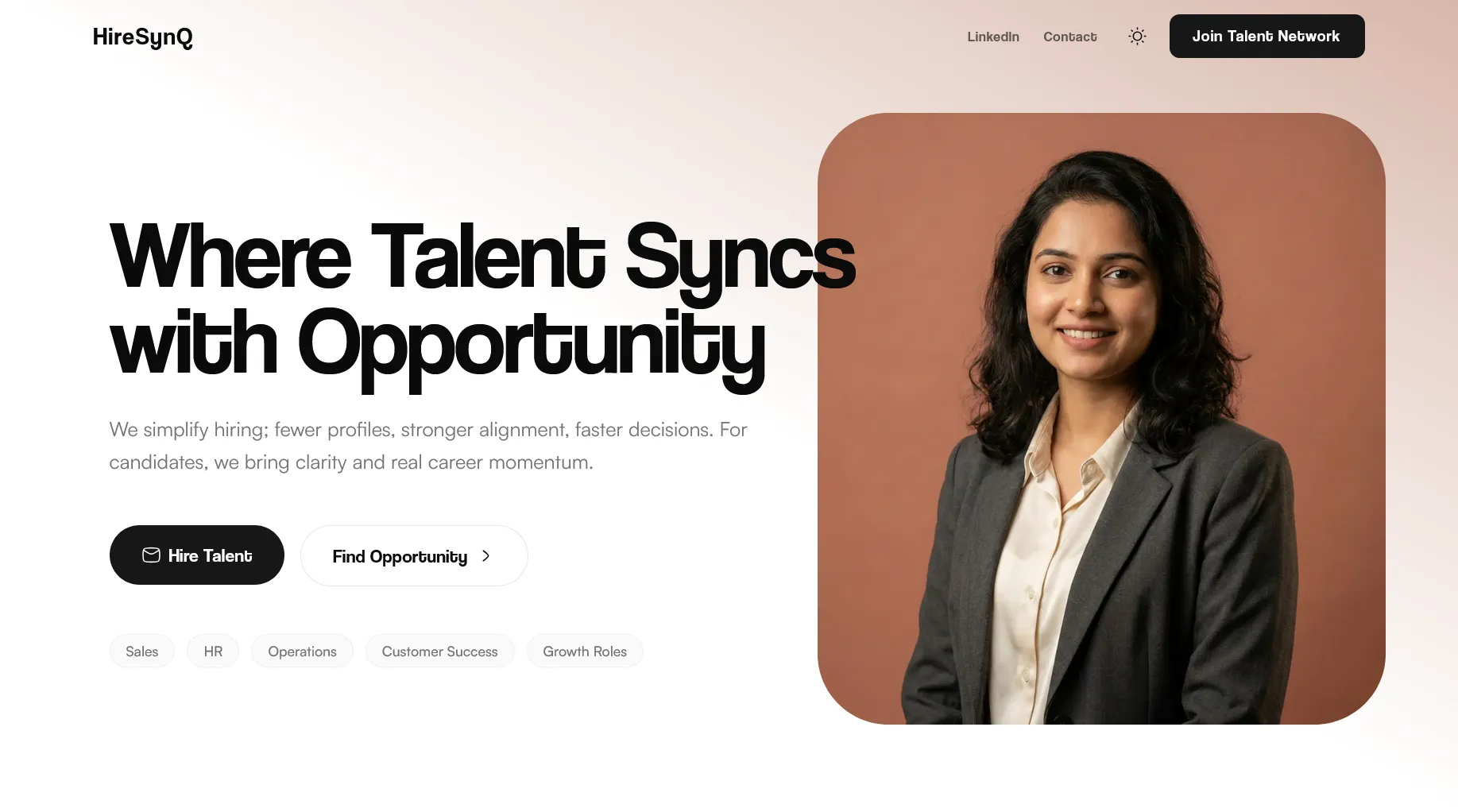
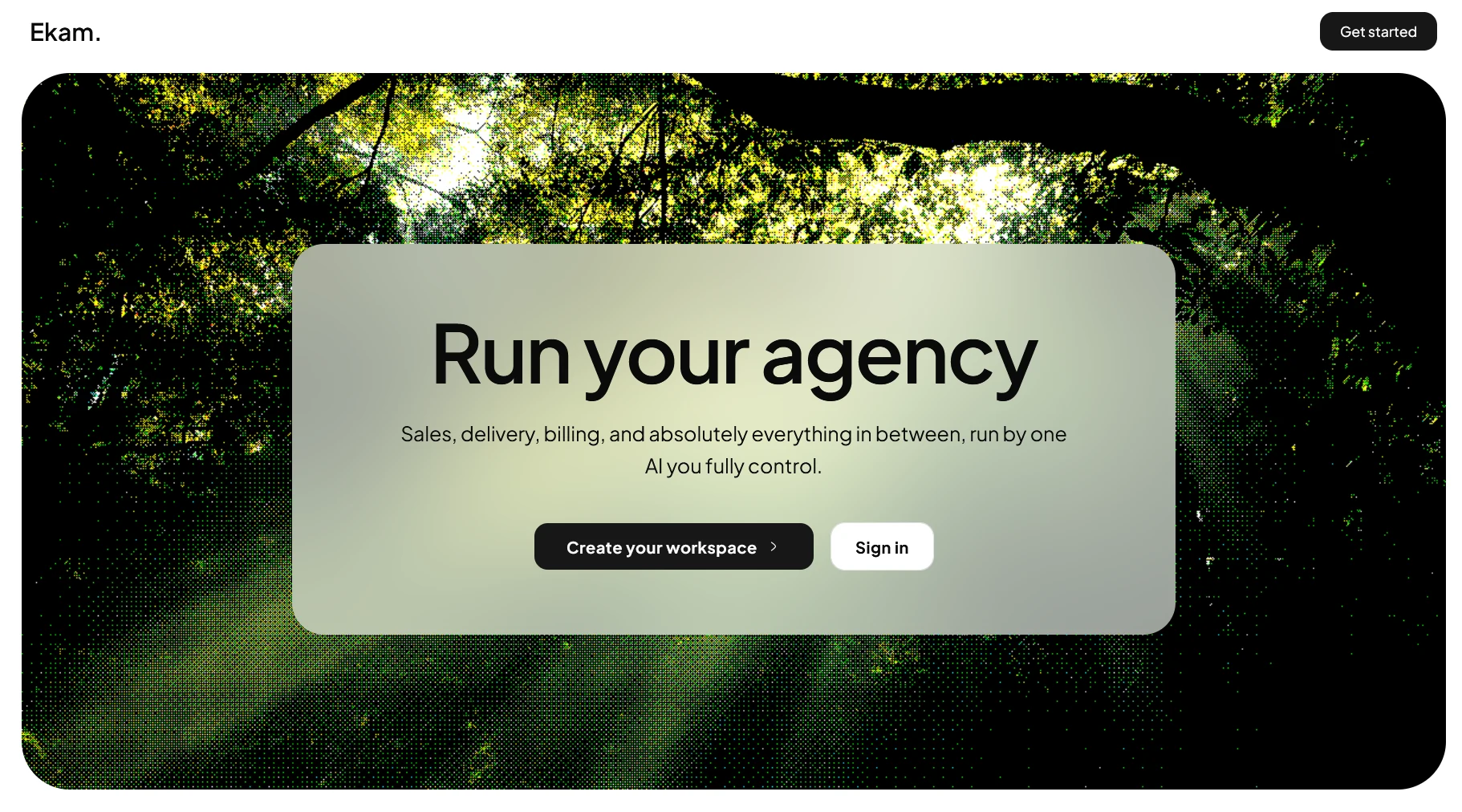
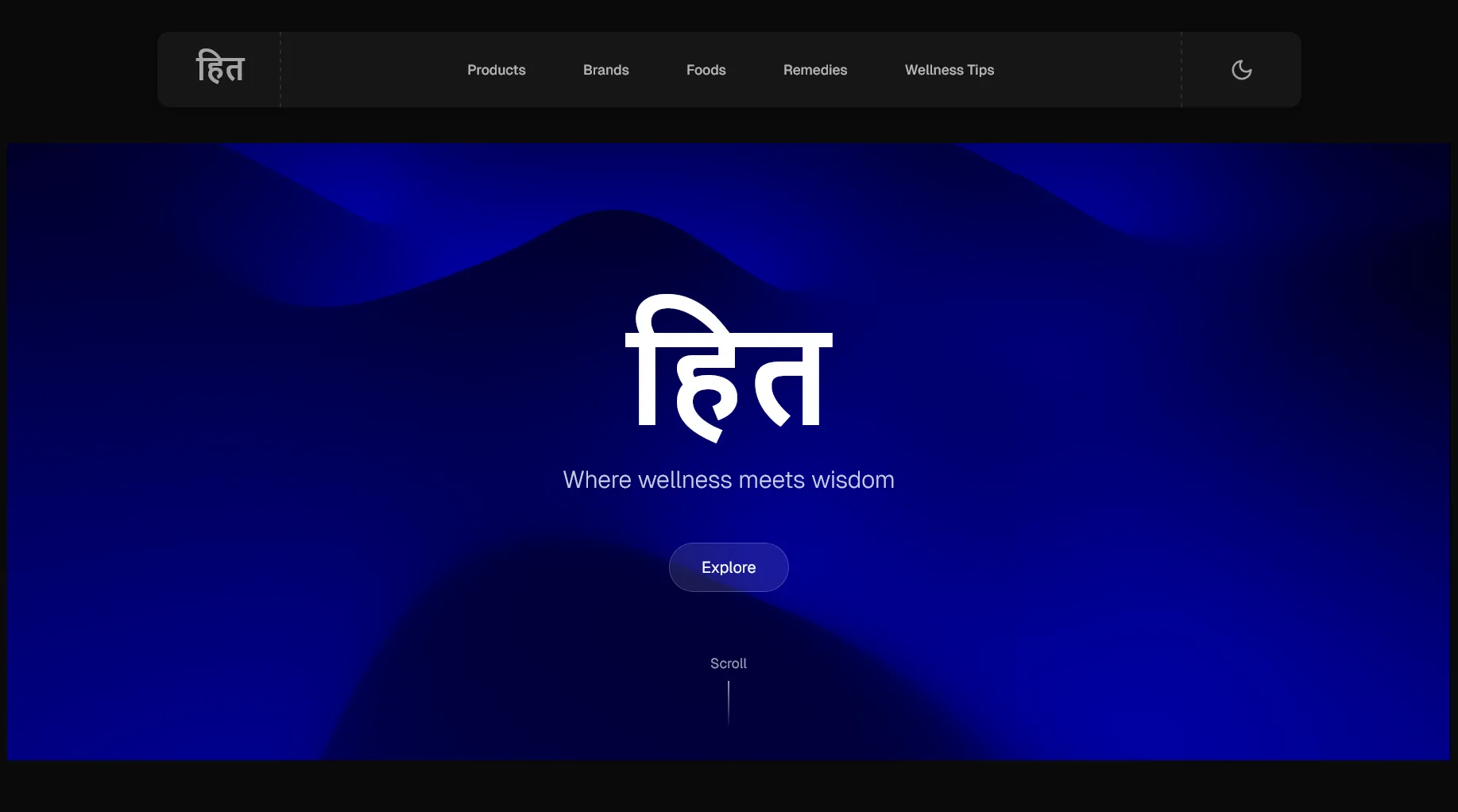
Work that proves it
Questions
- How long does an MVP take to build?
- Four to six weeks for a focused MVP on a single platform, and two to four months for a full end-to-end build that is ready to launch and take payments. The variable is almost never engineering speed. It is how quickly decisions get made, which is why the first week is spent removing the decisions that do not need making.
- How is an MVP priced?
- It is a fixed number, agreed in writing before anything starts, and it does not move unless the scope does. What sets it is platform count, how much has to be designed from scratch, and whether payments and multi-role access are in version one. We quote it after the first call, not before, because a number given before we understand the build is a guess with a decimal point on it.
- Who owns the code and the accounts?
- Yours. The repository, the domain, the infrastructure accounts, the design files, all of it registered in your name and handed over at launch. Nothing is held back to make you stay on a retainer.
- Can our own team take it over afterwards?
- Yes, and that is usually the right answer. The build ends with a handover: documented code, a deployment pipeline that runs itself, and a walkthrough with whoever picks it up. Plenty of clients continue on a retainer, but the product is built so that they do not have to.
- What if we are not sure the idea is right yet?
- We would rather tell you that in the first call than four weeks in. Some ideas need a landing page and a hundred conversations before they need software. If that is the honest read, you will get it, and it costs nothing.
A roadmap, not a pitch.
Skip the agency runaround. Thirty minutes with the people who would actually do the work. You leave with a clear next step, whether or not you hire us.