Web applications that feel native and get found.
The web is the only platform with no gatekeeper, no review queue, and no install step between your product and the person who just heard about it. Built properly, a web application is indistinguishable from a native one for most of what most products do, and it updates for everybody the moment you ship.
We build the whole thing: interface, backend, database, auth, payments, real-time, background work, deployment, and the CI pipeline that keeps it moving. Installable, offline-capable where that earns its keep, and fast on the mid-range phone your users actually own rather than the laptop it was built on.
Search is part of the build and not a phase afterwards. Server rendering, real metadata, structured data, and Core Web Vitals watched while there is still time to do something about them.
What you get
Production web app with backend, database, auth, deployment, and CI/CD. Optimised for mobile, performance, and SEO.
How it runs
- 01
Scope
What the application has to do, who for, and what version one deliberately leaves out. Priced and scoped before anything starts.
- 02
Architect
Data model, auth model, and the handful of architectural decisions that are expensive to reverse. Made deliberately and written down.
- 03
Build
Interface and backend together, in vertical slices that actually work rather than layers that only meet at the end. You see it running from the first week.
- 04
Harden
Performance, accessibility, and search treated as build work: real budgets, real numbers, fixed while it is cheap.
- 05
Ship
Deployed with CI, monitoring, and documentation, into infrastructure accounts that belong to you.
This is for you if
- SaaS, marketplaces, internal platforms, and consumer products that should feel native on the web.
- A team that wants one codebase and instant updates rather than two apps and a review queue.
- A product where being findable in search is part of the business model.
This is not for you if
- The product genuinely needs deep native hardware access or store distribution.
- You want a template configured. There are cheaper and faster ways to do that well.
- Nobody owns the product decisions on your side.
Work that proves it
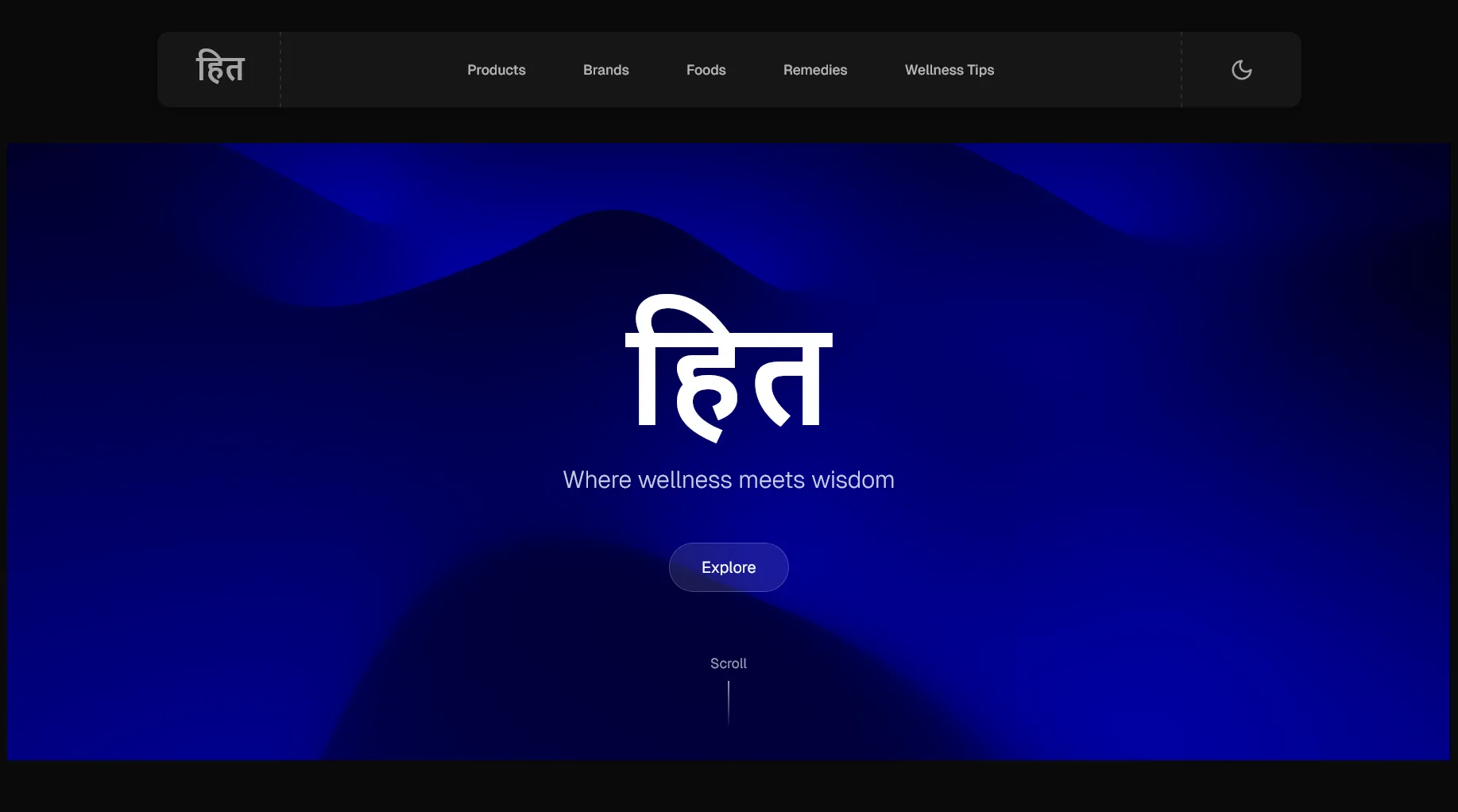
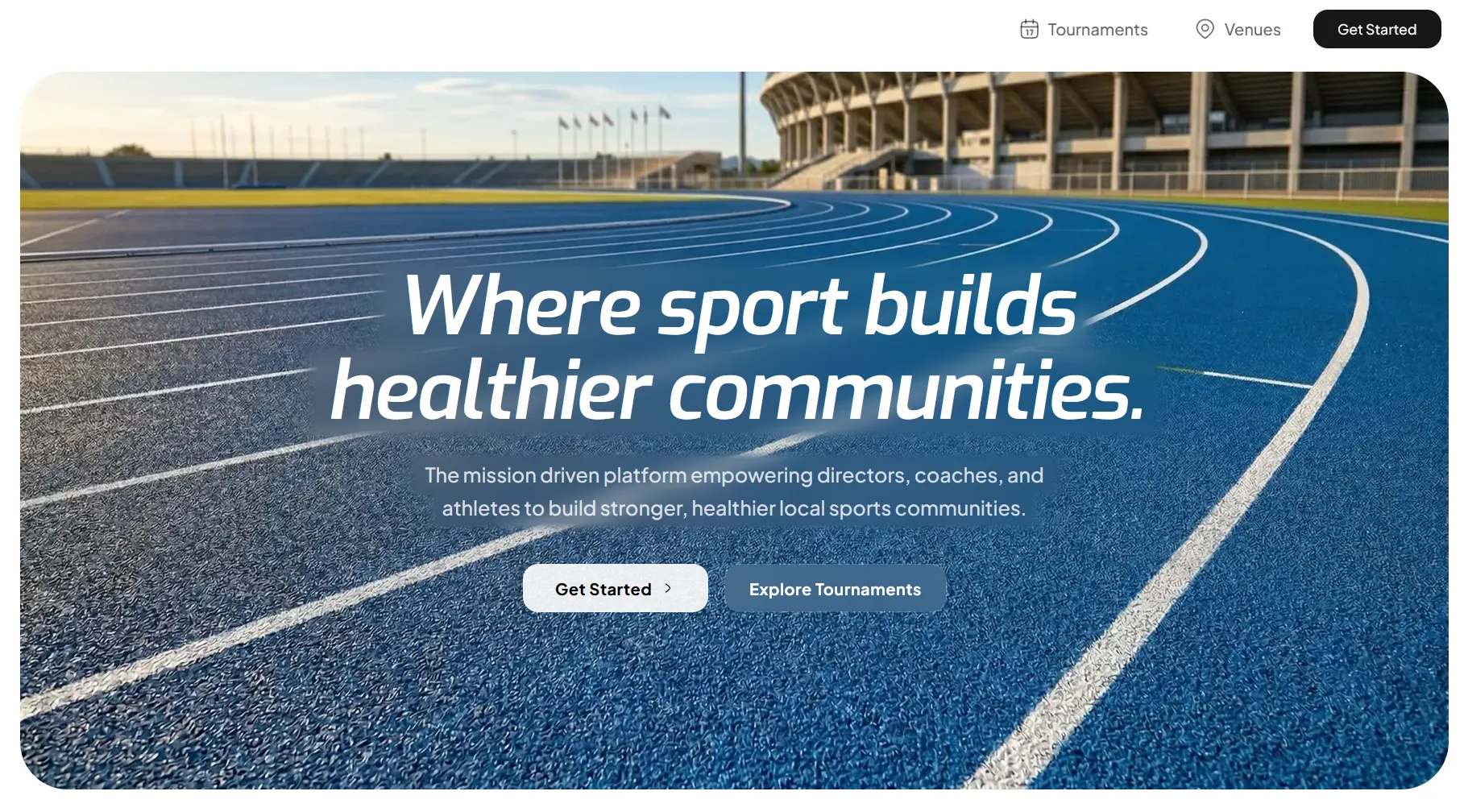
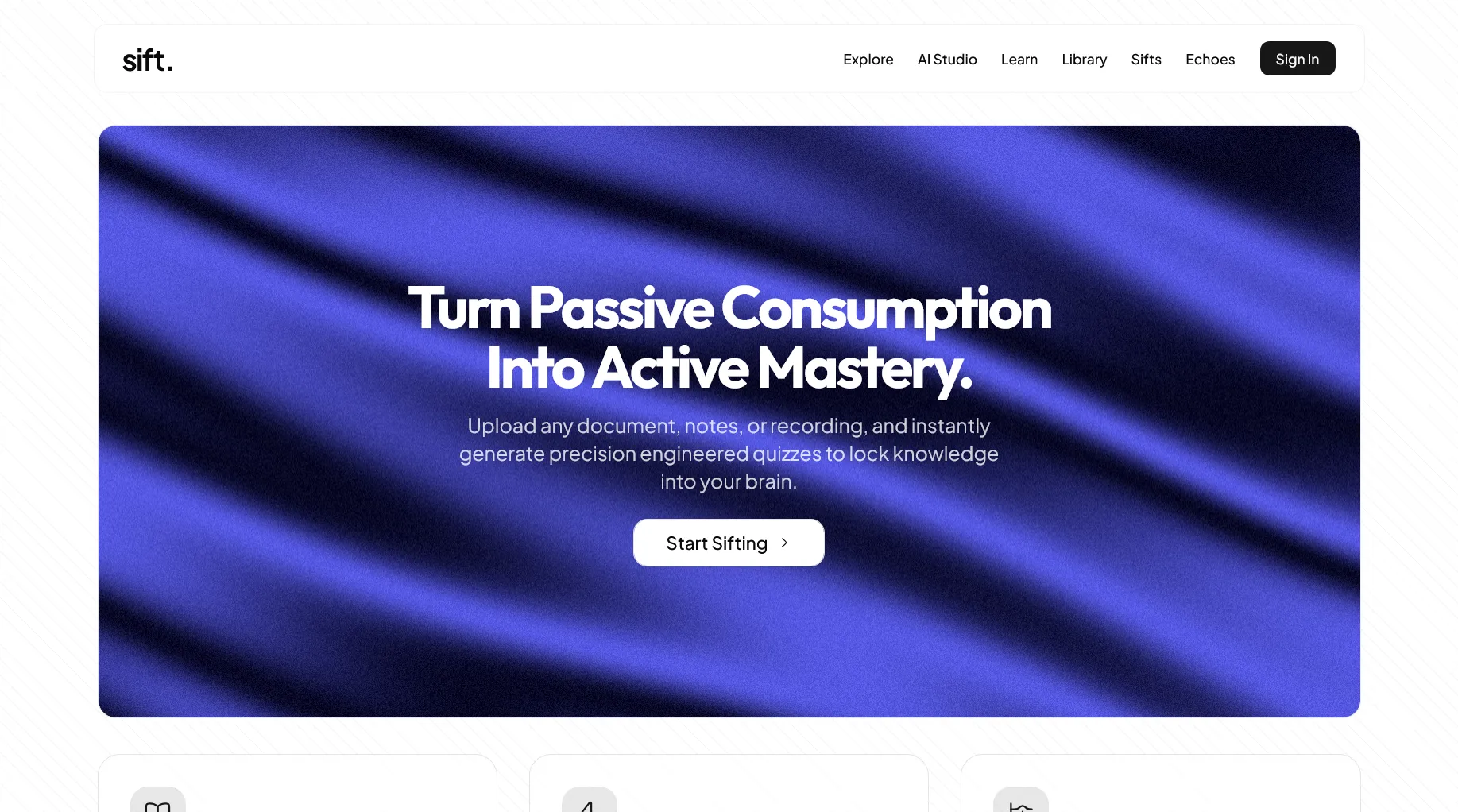
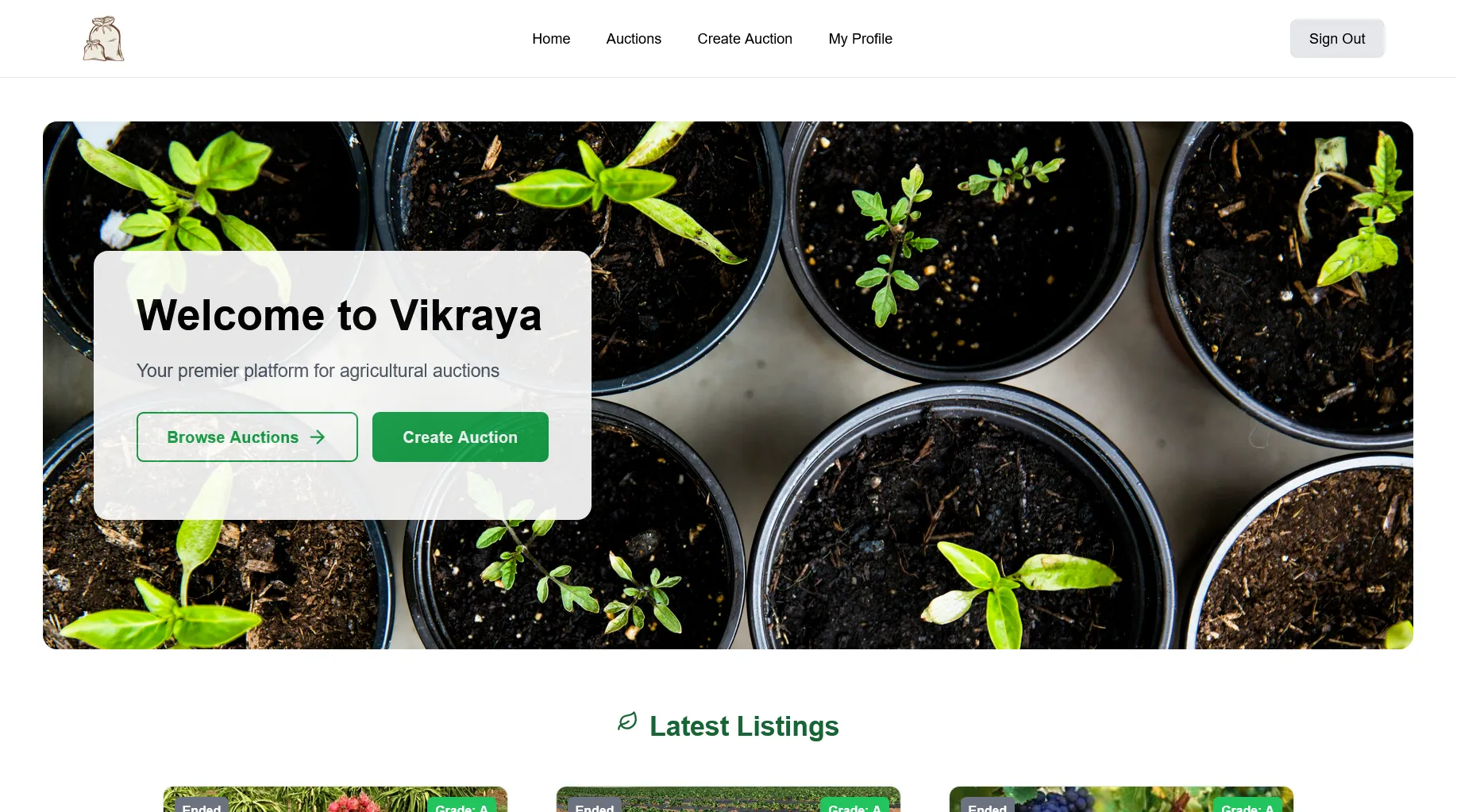
Questions
- What is a PWA and do we need one?
- A progressive web app is a web application that installs to the home screen, works offline, and behaves like a native app without an app store between you and your users. For most products it is the right first platform: one codebase, instant updates, and no review queue.
- How is a web app priced?
- By what the application actually has to do. A marketing site with some app functionality, a full PWA with auth, payments and dashboards, and multi-tenant SaaS on scalable infrastructure are three different builds. Fixed price after scoping, and the scope is written down.
- Do you build the backend too?
- Yes. Auth, payments, database, background jobs, file handling, real-time, deployment, and CI/CD. Full stack means the whole stack, not a front end handed to somebody else's back end.
- Will it be fast and findable?
- Server rendering by default, real metadata, canonicals, structured data, and an eye on Core Web Vitals during the build rather than as a retrofit. An application that cannot be found is a smaller application than you paid for.
- When is a native app the better answer?
- Sometimes, and we will say so. If your product needs deep hardware access, background location, or store distribution, a PWA is the wrong tool and we would rather tell you before the invoice than after.
A roadmap, not a pitch.
Skip the agency runaround. Thirty minutes with the people who would actually do the work. You leave with a clear next step, whether or not you hire us.